The Story So Far
My musical journey began in the synth-heavy 1980s, learning keyboards by ear and recreating melodies, basslines and arrangements from the radio. Traditional piano lessons never really suited me. I was much more interested in discovering sounds and working out how music was put together.
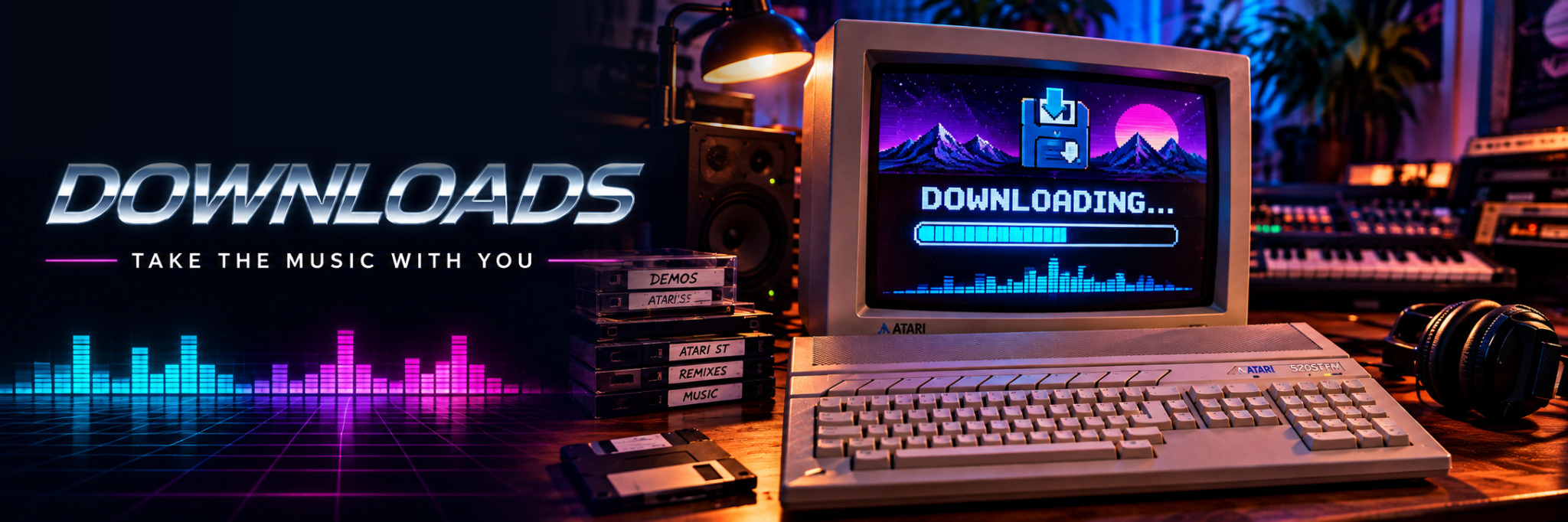
In 1993, my parents bought me a brand-new Korg M1 as a reward for my GCSE results. Alongside my Atari ST and its built-in MIDI interface, it became the centre of my musical world. I spent countless hours programming sequences, recreating tracker music and even contributing MOD files to friends’ public-domain games.
Those early years also brought my first experiences of performing, from school bands and musical theatre to playing synths and bass guitar. By the late 1990s, I was writing and recording music in a modest home studio using whatever equipment I could afford.
A chance encounter with the musicians behind the alternative covers band Tripitaka led to a creative partnership that would continue, on and off, for decades. That partnership eventually evolved into Acetate Records, an eight-piece collision of drum & bass, rock, turntablism, electronic music and live instrumentation.
Between 1999 and 2002, Acetate Records recorded 13 tracks, played festivals and London venues, organised club nights and boat parties, and appeared on the Virgin Records Kingpin compilation with “Music for the Mindless”. It was an exciting period of experimentation, collaboration and live performance.
The project subsequently developed into community music education, helping young people in London and North Kent explore DJing, songwriting and production. One particularly memorable experience was contributing to a youth-centre recording studio makeover featured in the 2009 Children in Need Dragons’ Den Special.
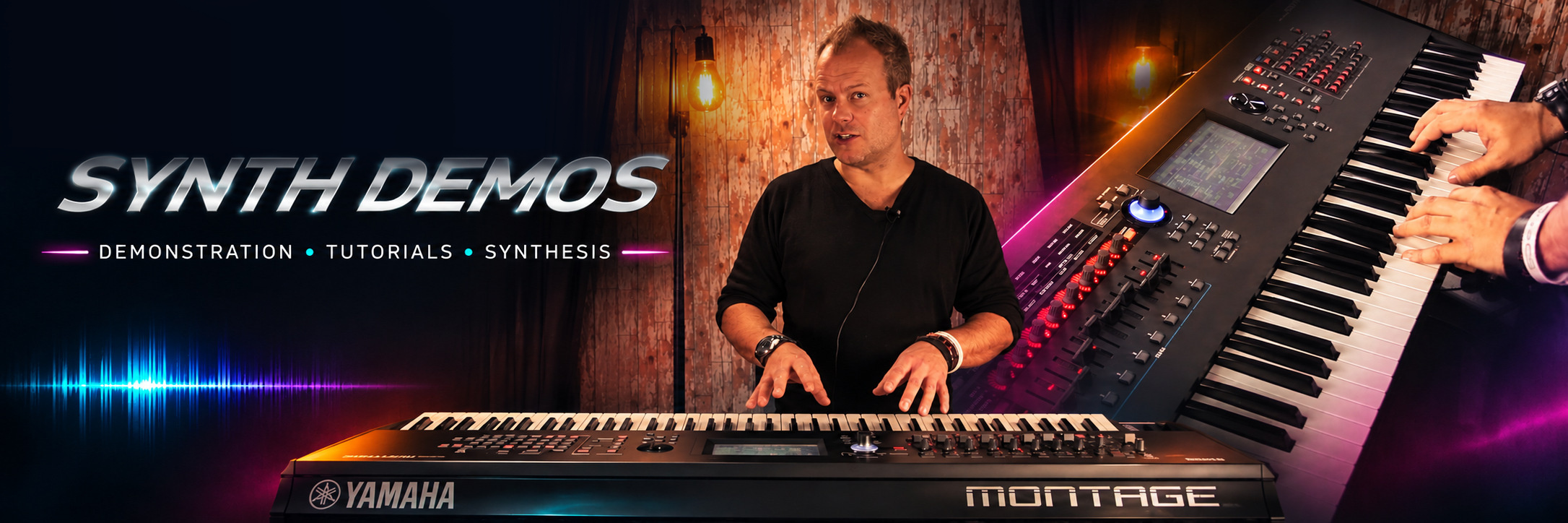
From 2007 to 2016, I worked for Yamaha, developing from a sales role into synthesizer demonstrations, training, artist support and music technology education. Highlights included launching the reface synthesizers at Abbey Road Studios, presenting at music colleges and working alongside talented musicians and producers.
Another chapter followed with Wicked City, a live glitch-hop and breakbeat project featuring Krafty Kuts, ErbnDub and Dynamite MC. Throughout it all, one thing has remained constant: a fascination with keyboards, synthesis and the possibilities of making music in unexpected ways.
Past & Present
Although my musical journey has taken me through bands, studios, demonstrations and live performances, I’ve never really stopped being a bedroom musician at heart.
I’ve always enjoyed the creative process, whether building a track from scratch, experimenting with synthesizer sounds or adding a keyboard part to somebody else’s music. I still collaborate with friends and fellow musicians, contributing synth leads, electric piano, orchestral textures and whatever else a track needs.
More recently, I’ve returned to some of the music and technology that first inspired me. With a modern home studio, updated synthesizers and new production tools, I’ve been revisiting my own compositions, rediscovering material from the Acetate Records years and exploring new ways of producing and remixing music.
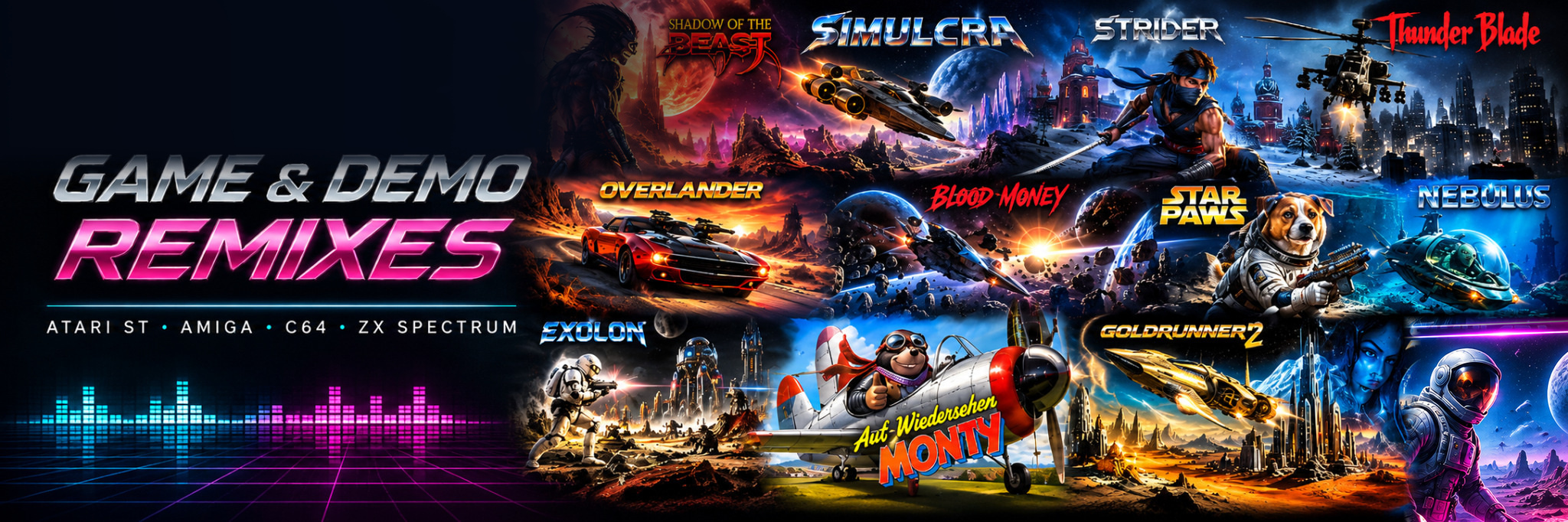
A particularly enjoyable part of this has been returning to the soundtracks of the Atari ST, Amiga, Commodore 64 and ZX Spectrum. Recreating their melodies and arrangements with modern instruments has become a central part of the BlueReason project.
My YouTube channel brings together retro soundtrack remixes, original compositions and synthesizer-related projects, combining a love of vintage computer music with contemporary production.
Live performance remains equally important. Following more recent work with House Utopia, a band celebrating the dance music of the 1990s and 2000s, I’m continuing to explore opportunities to bring that music back to the stage.
Whether I’m demonstrating a synthesizer, performing live, collaborating or rebuilding a long-forgotten game soundtrack, the enjoyment is much the same as it was when I first sat down with that Korg M1. There’s always another sound to discover and another musical idea waiting to happen.
Influences — Music, Synths & Technology
My musical influences have always been wonderfully varied. From the progressive keyboards of Rick Wakeman during his Strawbs and Yes years to the pounding jungle rhythms of The Prodigy, I’ve never felt particularly restricted by musical genres.
The synth-heavy sounds of the 1980s were a huge inspiration, particularly A-ha, Haircut 100 and Depeche Mode, but I was equally drawn to the heavier guitars of Megadeth and Alice in Chains. From death metal to new age, progressive rock to drum & bass — if the music was good, I was interested.
The Korg Years
The instrument that really started everything was the Korg M1. Owning cutting-edge synthesizer technology that appeared regularly on Top of the Pops was incredibly exciting. I spent an embarrassing amount of time pointing out the M1 sounds in chart hits, usually to the irritation of everyone around me!
As my ambitions grew, so did the equipment. During the Acetate Records years, I replaced the M1 with a Korg Trinity and added a Korg MS2000 for huge bass sounds and aggressive leads. A rather battered Roland U20 and repurposed desktop PC handled additional sounds and samples. It wasn’t elegant, but it worked.
Interestingly, when I first considered a career in music technology, Korg was the company I approached. Yamaha answered instead — and that changed the direction of my career.
The Yamaha Years
Much of my subsequent live and studio work revolved around exploring Yamaha synthesizers. Starting with the MOX, a more affordable relative of the MOTIF series, and later moving to the remarkable MONTAGE, I spent years programming sounds, composing demonstration music, teaching and showing musicians what these instruments could achieve.
I particularly enjoyed pushing the technology beyond its expected boundaries, creating sounds inspired by the aggressive electronic textures of software instruments such as Native Instruments MASSIVE, so influential in dubstep and drum & bass. For me, it has never simply been about playing presets — it’s about experimenting.
Full Circle — Back to the Future
Today, I’ve come full circle. My setup combines Yamaha MODX and Korg Krome synthesizers with modern recording software, generative audio AI tools and emulations of classic computer sound chips.
One particularly satisfying connection is the Atari ST’s YM sound chip, itself manufactured by Yamaha. The technology that soundtracked my youth now sits alongside modern synths and production tools as I reinterpret those early compositions.
Guitars remain part of the picture too, often processed through Positive Grid software. The technology has changed enormously since my first Korg M1, but the fascination hasn’t. I’m still discovering new music and disappearing down synthesizer-programming rabbit holes. Some things never change.